✦ CARE • CURIOSITY • COURAGE • BECOMING ✦
About Me
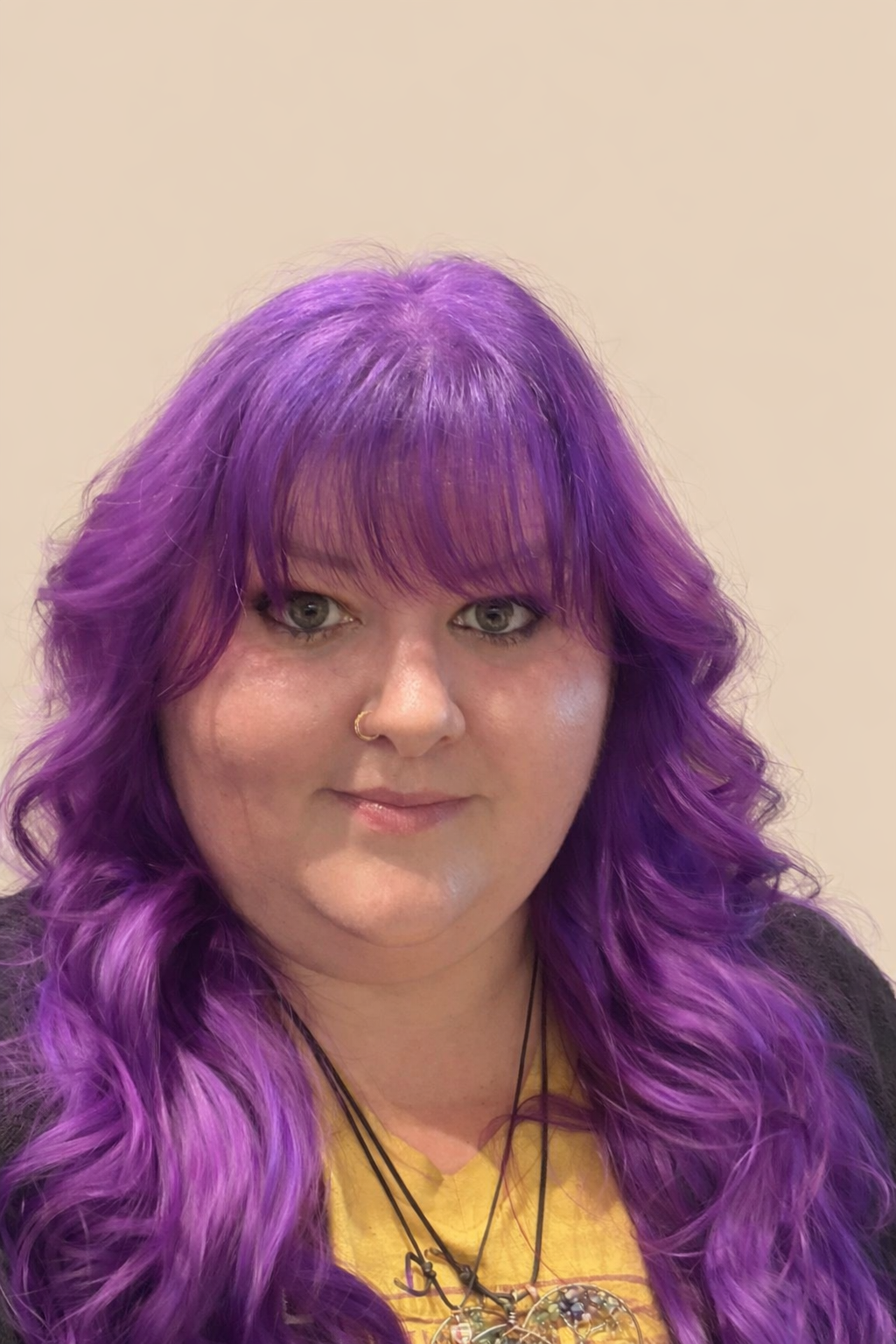
Liz Smith, MSW
Nonprofit systems consultant, social work researcher, writer, and self-described curiosity professional.
For nearly two decades, my work and life have centered on a practical question: What makes care sustainable for the people receiving it, the people providing it, and the organizations responsible for holding it together? I bring the perspective of a long-term family caregiver alongside experience in direct support, residential operations, staff development, behavioral support, and nonprofit supervision.
In nonprofit settings, I work alongside leaders and frontline staff to turn complex, person-centered missions into systems people can actually use. My work has included developing comprehensive operations and supervisor manuals; strengthening onboarding, training, scheduling, compliance, and certification-tracking processes; supporting leadership transitions; designing token and incentive systems; and creating practical tools for communication, accountability, and continuity of care.
I also bring a strong program-evaluation lens. I build tracking systems, define meaningful indicators, analyze participation and outcome data, and translate findings into usable recommendations. My experience includes behavioral and engagement documentation, quarterly reporting, reward-redemption tracking, logic models, evaluation matrices, pre/post assessment planning, and iterative review processes that help organizations notice what is working, and what needs to change.
Now, as a PhD student and NIMH T32 fellow, I study caregiver sustainability, resilience, identity, and meaning-making across aging, dementia, chronic illness, end-of-life care, mental health, and community support. My research and consultation work grow from the same conviction: care becomes more sustainable when people have systems that support reflection, learning, and values-directed action, not merely survival.
I believe good research begins with curiosity, grows through iteration, and matters most when it returns to the people whose lives shaped the question.
To care about people is to care about caregiving.